
Reviewed · SAHARA DESERT TOURS
3-Day Tunisia Sahara Desert Camel Trek from Douz
Sahara nights reward patient visitors. This three-day camel trek from Douz trades quick desert sightseeing for a slower route through golden dunes, changing desert views, and quiet camps far from the road. I like the chance to reach places vehicles cannot, and I like that the price includes two nights of camping, six meals, a camel, a guide, and local transport. The main consideration is simple: three days on camelback may feel long if you are not comfortable riding, and sunscreen is not included.
You start at 9 a.m. from your Douz hotel or accommodation and return around 11 a.m. on the third day. I also like the cultural side of the trip, especially the chance to see how Berber and Bedouin food traditions differ rather than treating the desert as a backdrop for photographs. Camp comfort has impressed past visitors, but exact facilities are not described, so you should expect a traditional desert stay rather than a standard hotel.
In This Review
- Five details that shape the experience
- What the $270 price really covers
- Day 1: Leaving Douz for golden dunes
- Day 2: Sunrise, food traditions, and sunset from the dunes
- Day 3: A quiet return to Douz
- Food, clothing, and the human side of the trek
- What the private format changes
- Practical planning before you book
- Who should choose this camel trek?
- Should you book the 3-day Douz desert trek?
- FAQ
- Where does the camel trek start?
- How long does the experience last?
- How many nights do you spend in the desert?
- Are meals included?
- Is vegetarian food available?
- Is transport from outside Douz included?
Five details that shape the experience
- Two full nights in the Sahara: You sleep at a desert camp, eat beside a fire, and have two chances to watch sunset, sunrise, and the stars.
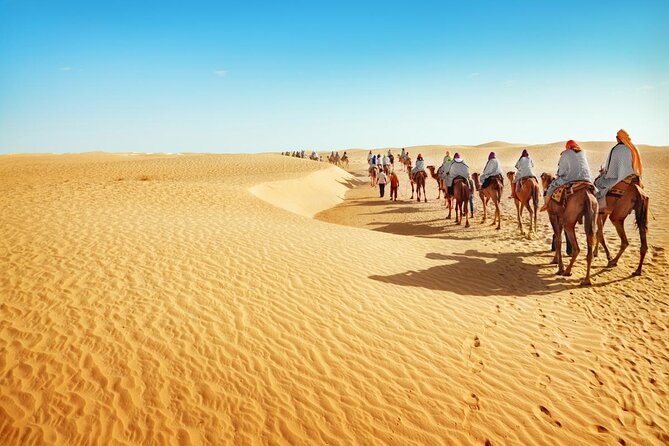
- A real camel trek: The route reaches sandy areas that vehicles cannot easily access, giving the trip a quieter feel than a short 4WD outing.
- Food is part of the tour: You see meals prepared in camp and taste regional dishes linked to Berber and Bedouin traditions.
- Traditional clothing is supplied: A Sahara turban and djellaba are provided during the trek, useful for sun, wind, and atmosphere.
- Private group format: Only your group participates, with pickup and return transport included within Douz.
- Guides praised by name: Ahmed, Mohammed, and Mounir have each received warm praise for their care, organization, and company in the desert.
What the $270 price really covers
At $270 per person, this is not just a camel ride with a short photo stop. The fee covers roughly three days, two nights at camp, two breakfasts, two lunches, two dinners, bottled water, coffee or tea, a camel, a cameleer guide, hotel pickup in Douz, and the return trip.
That package gives the price a fair value. Desert transport, food, camp arrangements, and camel handling can be difficult to organize separately, especially when you want to spend nights away from the main roads. You are paying for a small expedition rather than a single activity.
The private format adds value if you want your own pace. You are not joining a large mixed group, and that can matter when you want time for photographs, quiet, or conversation with the guide. The supplied clothing also saves you from having to arrange a turban and robe yourself.
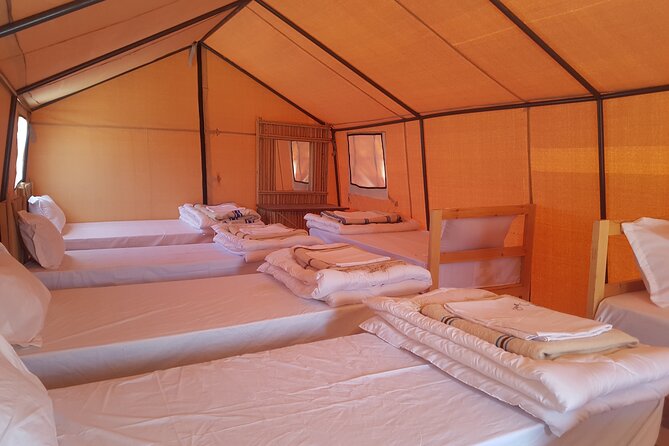
There are limits. Pickup and drop-off apply to Douz only, so you need to arrange your own connection from another Tunisian city. Sunscreen is not included, and the package does not list personal toiletries or other comfort items. The camp is described as more comfortable than expected by one past visitor, but the information does not specify bathrooms, bedding, electricity, or shower facilities. Ask the operator if those details matter to you.
More camel and quad rides:
- Discovery ride on horseback or camel 2h30
★ 5.0 · 153 reviews - Quad ride on the hills of Hammamet
★ 4.0 · 104 reviews - Explore Djerba by camel and horse
★ 4.5 · 27 reviews
Day 1: Leaving Douz for golden dunes
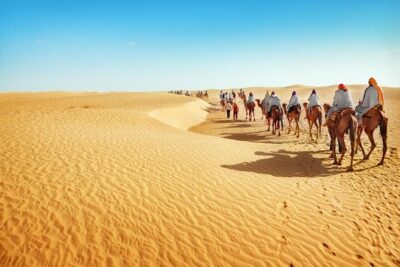
The first morning begins with pickup at about 9 a.m. from your accommodation in Douz. You meet the cameleers, settle onto your camel, and begin moving into the Sahara.
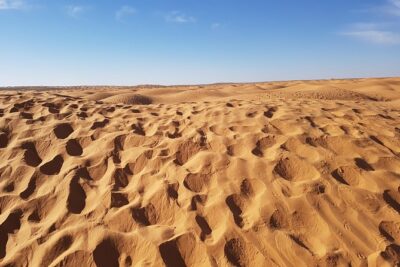
The appeal of the first day is the changing view. The dunes are not a fixed postcard. As the light shifts, the sand changes color and the shape of the route changes with it. The supplied plan describes golden dunes and wide desert scenery, with access to sandy areas beyond the reach of vehicles.
Camel travel is slow by design. That pace lets you watch the desert rather than rush through it, but it also means you should think seriously about comfort. You may find the first ride exciting and the later hours more demanding. Children must be accompanied by an adult, and the operator says most people can take part, but the information does not give a riding-time estimate or a detailed fitness requirement.
Around midday, you stop for lunch while the cook prepares the meal. This pause breaks up the ride and gives you time to take photographs. It also creates a useful change of rhythm: ride, rest, eat, then ride again.
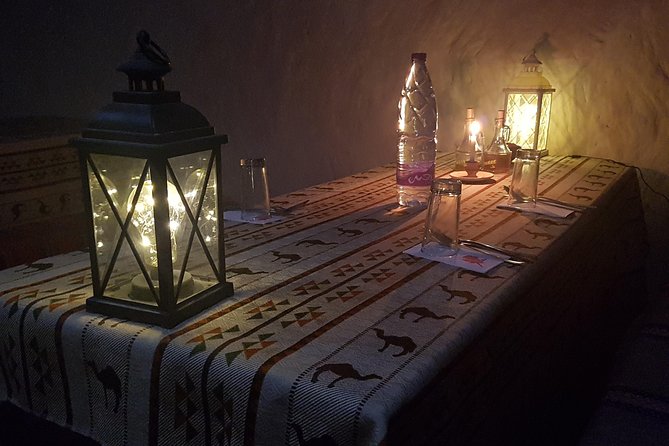
After lunch, you continue toward the camp. The first evening is the moment the trip begins to feel different from a day excursion. You eat a Berber dinner near the fire, hear drumming, and sleep beneath the Saharan sky.
The night sky is one of the strongest reasons to choose an overnight trek. There is no promise of a particular level of stargazing conditions, but the setting gives you the best chance to enjoy the desert after dark. Bring patience, warm layers if needed, and a willingness to sit without a schedule.
Day 2: Sunrise, food traditions, and sunset from the dunes
Day two starts early. You watch the sunrise, eat a Berber breakfast, and return to the camels.
Morning is a good time for desert views. The heat and light change during the day, and the itinerary places panoramic scenery early, before the afternoon ride. Coffee is also available, which will be welcome if you are not naturally built for pre-dawn starts.
At midday, you return to camp and watch a traditional Bedouin lunch being prepared. This is more useful than simply being handed a meal because it connects the food with the people and traditions that shape desert life. The trip specifically points out a difference between Berber and Bedouin cuisine, so ask your guide to explain what you are eating and how the two styles differ.
The information does not name the dishes, so do not book this expecting a particular menu. Vegetarian food is available, but you need to request it when booking. The same applies to other dietary needs.
After lunch, you ride again until sunset. The late-day route offers a second chance to see the dunes under softer light, and the plan includes time to watch the sunset from the top of the dunes. That is a strong feature for photographers, but it is also valuable if you simply want a quiet point in the trip with no vehicle noise or city interruptions.
Dinner is served near the campfire, followed by another night beneath the stars. Having two nights in the desert is important. The first night can be spent getting used to the camp and the camel, while the second gives you more time to relax into the setting.
The camp has received praise for being more comfortable than expected, and the team has been described warmly. Still, comfort is relative. You should see this as a desert camp with added comfort, not as a hotel room transported into the dunes.
Day 3: A quiet return to Douz
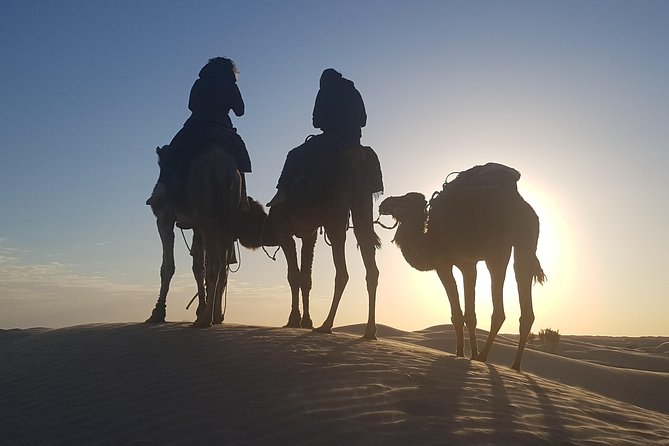
The final morning begins with coffee, breakfast, and another sunrise. The early light gives you one last calm view before the return ride.
You then continue by camel through more dunes and desert scenery. The route finishes at the original meeting point, where your transport back to Douz is waiting. The stated return time is around 11 a.m., giving you much of the day for onward plans.
That timing is useful if Douz is one stop on a larger Tunisia trip. You should still avoid booking a tightly timed connection immediately afterward, since desert activities can be affected by pace and local conditions. The information confirms an approximate return time, not a guaranteed minute-by-minute schedule.
The final ride may feel satisfying, but it may also be the point when tired legs become noticeable. If you are unsure about three consecutive days of camel riding, ask the provider about the daily riding hours before you commit.
More Sahara trips:
- 2-Day Tunisian Sahara Tour with Food & Stay from Hammamet
★ 4.5 · 80 reviews - Sahara 2 Days Tour VIP In Tunisia | Guided FUN | PICKUP ALL City
★ 4.5 · 63 reviews - 2-Day Tunisian Sahara Tour with Food & Stay from Sousse
★ 4.5 · 55 reviews - One night under the tent: Tataouine – Chenini – Ksar Ghilane – Matmata
★ 5.0 · 53 reviews
Food, clothing, and the human side of the trek
The strongest cultural feature is the food preparation. You do not only eat breakfast, lunch, and dinner. You have the chance to watch camp cooks prepare traditional meals and to ask about the difference between Berber and Bedouin cooking.
The package includes bottled water, coffee, and tea. That is helpful in a dry environment, though I would still confirm how much drinking water is supplied and consider bringing a reusable bottle. Sunscreen is specifically excluded, so pack it yourself along with lip balm, sunglasses, and a hat if you prefer extra protection.
A Sahara turban and djellaba are provided during the trek. The turban can help with sun and blowing sand, while the robe adds another layer of local character to the experience. Wear practical clothing underneath, since the supplied items are part of the tour rather than a replacement for your own outdoor clothing.
The cameleers are central to the quality of the trip. The camels have been described as friendly, well behaved, healthy, and well cared for. That matters both for comfort and for the ethics of the experience. You can also expect the guide to shape the trip through explanations, meal coordination, and the daily pace.
Several guides have received specific praise. Ahmed was described as an excellent guide for a longer desert experience, Mohammed was praised for making the trip unforgettable, and Mounir was thanked for his work at the camp. You cannot assume one particular guide will lead your departure, so ask when booking if you have a preferred guide or want to know who is assigned.
What the private format changes
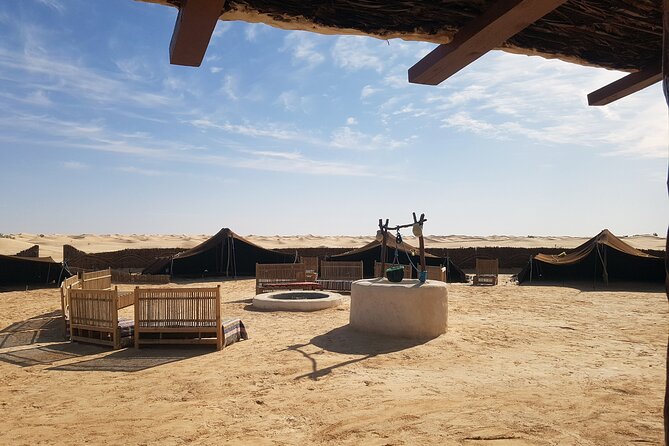
Only your group takes part, which makes this more personal than a large group departure. You can ask more questions about food, clothing, desert life, and the route without competing for the guide’s attention.
A private tour does not mean you control every part of the day. The camels, meal times, camp location, and return schedule still shape the experience. It does mean the operator can focus on your group rather than managing a busload of people.
This format suits couples, families with older children, and small groups of friends who want quiet time. It also works well for anyone seeking a restful New Year or special occasion in the desert. One couple chose a New Year’s Eve trek as a peaceful start to the year, which fits the trip’s calm, nature-focused character.
The trip is less suitable if you want a packed program of sightseeing stops or a high-speed desert adventure. There are no listed ruins, museums, quad-bike sessions, or 4WD excursions. The main activity is riding, eating, resting, watching the light, and being outdoors.
Practical planning before you book
Plan your route around Douz. Pickup from hotels and accommodation in town is included, but transport from other cities is not. If you are staying elsewhere, you need to arrange your own way to Douz before the 9 a.m. departure.
Tell the provider about vegetarian meals or other dietary needs at booking time. Do not wait until the camp, where food choices may be limited. Children need an accompanying adult, and service animals are allowed according to the tour information.
Most people can participate, but camel riding asks more of your body than sitting in a vehicle. Wear clothing that allows movement and shoes suitable for walking on sand. Since the information does not give a packing list, confirm camp facilities and bedding details before departure if you need a particular level of comfort.
The cancellation terms are fairly useful if your plans are still moving. You can receive a full refund when cancelling at least six full days before the start time. Cancellation two to six days ahead allows a 50 percent refund, while cancellation less than two days before departure is not refunded. Cutoff times use local time.
The tour is confirmed at booking, and mobile ticketing is available. That keeps the reservation simple, but the important planning question remains your transport to Douz.
Who should choose this camel trek?
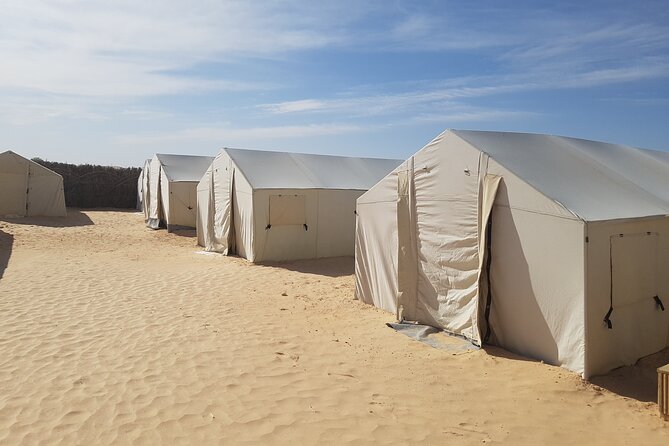
I would choose this experience if you want to slow down and spend real time in the Sahara rather than collect a quick desert photograph. The two overnight stays make the trip feel more complete, especially because you get repeated sunrises, sunsets, meals, and night skies.
It suits you best if you enjoy:
- Quiet scenery and long stretches outdoors
- Traditional food and camp cooking
- Small private groups
- Sunrise and sunset photography
- Simple desert camping with some added comfort
- A slower alternative to vehicle-based sightseeing
I would think twice if you dislike riding animals, struggle with long periods outdoors, or need clearly documented hotel-style facilities. You should also build flexibility into your schedule because the return time is approximate.
Should you book the 3-day Douz desert trek?
Book it if your ideal Sahara visit includes a camel, a campfire, traditional meals, and two nights under the stars. The package offers good value at $270 because it includes the main costs that make a remote desert stay practical, and the private format gives the trip a more personal feel.
Before paying, confirm the camp facilities, expected riding hours, water supply, and assigned guide. Bring sunscreen, suitable clothing, and realistic expectations about comfort. If you do that, this is a strong choice for a quiet, cultural, three-day introduction to Tunisia’s Sahara.
FAQ
Where does the camel trek start?
The trek starts in Douz, with pickup from your hotel or accommodation at about 9 a.m.
How long does the experience last?
The experience lasts approximately three days. You return to Douz around 11 a.m. on the third day.
How many nights do you spend in the desert?
The package includes two nights at a desert camp.
Are meals included?
Yes. The package includes two breakfasts, two lunches, and two dinners, along with coffee or tea and bottled water.
Is vegetarian food available?
Yes. A vegetarian option is available, but you should request it when booking. You should also advise the provider about other dietary needs at that time.
Is transport from outside Douz included?
No. Pickup and drop-off are included from hotels or locations in Douz only. Transport from hotels in other cities is not included.
More three-day trips
- 3 Days South Tunisia Discovery Tour with luxury camp and Meals
★ 5.0 · 31 reviews - Private 3 Day Tour in Southern Tunisia or More
★ 5.0 · 17 reviews - The Tunisian South between Oasis and Mountain: 3 Days / 2 Nights Douz and Tozeur
★ 5.0 · 17 reviews - Private 3-Day Excursion to the Tunisian Desert
★ 5.0 · 10 reviews
More hikes and treks
- 2-Day Tunisia Sahara Desert Camel Trek from Douz
★ 5.0 · 27 reviews - Desert tours and adventurous camel trekking through the Sahara
★ 4.0 · 10 reviews
Just added around Tunisia
- 3-Day South of Tunisia Guided Tour from Tunis★ 4.0 · 3 reviews
- Explore Tunisia in Depth:The Private Grand Tour in 8 Days★ 5.0 · 3 reviews
- 2 Hour Hergla Visit and Sousse Medina Heritage Tour★ 4.5 · 3 reviews
- 3DAYS 4×4 safari from Sousse/Hammamet/Tunis 100km deep in desert camp★ 4.5 · 3 reviews
- Cap-Bon Self-Guided Excursion from Hammamet★ 4.5 · 3 reviews
- From Djerba : 1 day in the footsteps of Star Wars “Mos Eisley”★ 5.0 · 3 reviews
- Tour of the island of Djerba the island of Lotophages★ 4.0 · 3 reviews
- Private Tour Bardo Museum, Carthage, Sidi Bou Said and Medina★ 4.5 · 3 reviews
Sahara Desert Tours, compared.
2-Day Tunisian Sahara Tour with Food & Stay from Hammamet
Read our review →
2-Day Tunisian Sahara Tour with Food & Stay from Sousse
Read our review →
One night under the tent: Tataouine – Chenini – Ksar Ghilane – Matmata
Read our review →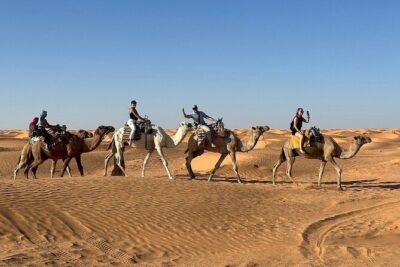
Door of the tunisian desert Ksar Ghilane and Matmata: Full one Day
Read our review →
Ksar Ghilane 1 day: The hot spring and the homestay
Read our review →
2-Day Tunisia Sahara Desert Camel Trek from Douz
Read our review →Browse the lists this tour appears in