
Reviewed · EL JEM AMPHITHEATRE TOURS
Private Tour to Kairouan, El Jem & Monastir from Tunis_hammamet
Three major sights, one long day.
This private excursion links Kairouan’s sacred monuments, El Jem’s enormous Roman amphitheater, and Monastir’s coastal Ribat in about eight to ten hours. I like the way it combines religious, Roman, and medieval Tunisia in one outing, and I also like that hotel pickup, an air-conditioned vehicle, entrance fees, and a certified guide are included.
The main drawback is the distance between the stops. You will spend several hours on the road, and the scheduled visits are fairly brief. A carpet-shopping stop can also become an issue if you prefer sightseeing without sales pressure, so be clear about your preferences before setting off.
In This Review
- Key points before you book
- Why this route works in one long day
- Kairouan’s Great Mosque and its fortress-like courtyard
- Kairouan’s medina, pastries, and carpet tradition
- The Aghlabid Basins and Kairouan’s water system
- Entering El Jem’s vast Roman amphitheater
- Monastir’s Ribat and the view from the tower
- Guides, drivers, and the private format
- Lunch, timing, and what to bring
- Is $98.48 good value?
- Who should book this Tunisia day trip?
- Should you book it?
- FAQ
- How long does the tour last?
- Where does the tour depart from?
- Is this a private tour?
- Is lunch included?
- What entrance fees are included?
- Can most people participate?
- What happens if the weather is poor?
Key points before you book
- Kairouan gives the day its spiritual focus: The Great Mosque, founded in 670, is one of the oldest major Islamic monuments in the Maghreb.
- El Jem is the visual highlight: Its third-century amphitheater held up to 30,000 spectators and includes impressive underground structures.
- Monastir adds the sea and medieval defenses: The Ribat’s watchtower provides a fine view over the city and coast.
- The route is efficient but demanding: Eight to ten hours means an early start, long drives, and limited time at each stop.
- The guide can shape the experience: Guides including Yaya, Kimos, Bilel, Bilal, Ahmed, Beligh, and Chaouki have been praised for their warmth, language skills, and flexibility.
- The price is reasonable for a private day: At $98.48 per person, the value improves when two or more people share the vehicle and guide.
Why this route works in one long day
Tunisia rewards visitors who move beyond the capital and beach resorts. Kairouan, El Jem, and Monastir each tell a different story, and together they give you a useful cross-section of the country.
Kairouan represents early Islamic Tunisia. El Jem takes you back to Roman Africa, when the city of Thysdrus prospered through the olive trade and could afford a vast arena. Monastir brings the journey toward the coast, where the Ribat recalls the military and religious role of early Muslim settlements.
The route is shaped like a broad triangle south of Tunis. That makes it possible to cover the three places in a day, but you should not confuse possible with leisurely. The excursion lasts eight to ten hours, and the driving time matters as much as the sightseeing.
I would choose this tour if you have limited time and want someone else to manage the roads, parking, directions, and entrance arrangements. If you are staying in Hammamet, the route is especially useful. Pickup is offered, and several people have praised drivers for arriving on time and driving carefully.
The private format is another advantage. Your group can ask questions, adjust the pace within reason, and tell the guide what interests you. The actual guide varies. Names praised for friendly and clear service include Yaya, Kimos, Bilel, Bilal, Beligh, Balagh, Ahmed, and Chaouki. Do not book based on a particular name unless the provider confirms who will accompany you.
More El Jem visits:
- Daytrip to Kairouan and El Jem Colosseum
★ 4.5 · 55 reviews - Kairouan and El Jem Private Day Tour
★ 4.5 · 38 reviews - Private Day Tour , Kairouan & Amphitheatre of el Jem From Tunis /Hammamet/Sousse
★ 4.5 · 8 reviews
Kairouan’s Great Mosque and its fortress-like courtyard
The first major stop is the Great Mosque of Kairouan, where you receive about 40 minutes with admission included.
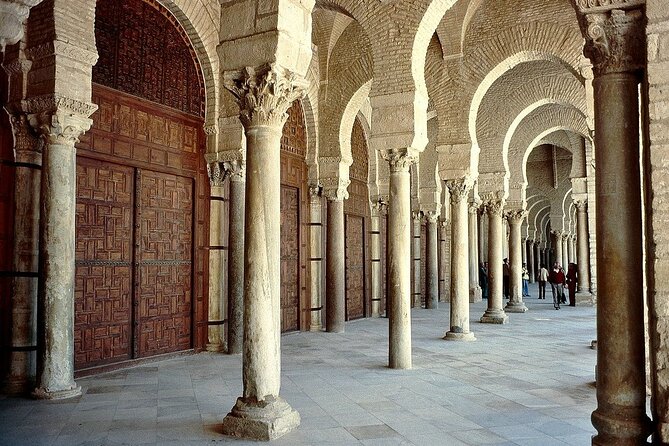
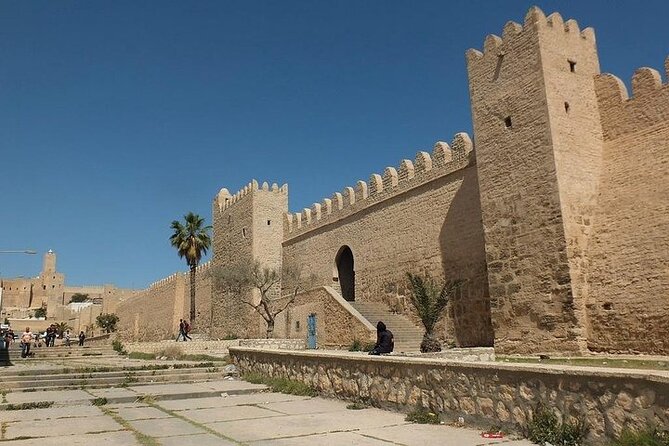
Founded in 670, the mosque is closely tied to Kairouan’s status as the fourth holy city of Islam. Its exterior has the plain, sturdy look of a desert fortress, but the details become more graceful as you look closer.
The massive courtyard is the first thing to notice. It is framed by arcades and includes a sundial. The scale gives you a sense of the mosque’s importance before the guide explains the architectural details.
Look carefully at the minaret, the carved cedar doors, and the marble columns visible in the prayer areas. Many of the columns were reused from earlier Roman and Byzantine buildings, a reminder that Tunisia’s religious monuments often contain layers from several eras.
The forty-minute visit is enough for an introduction and photographs, but it is not an unhurried architectural study. Listen closely to the guide, since the visual impact can be easy to reduce to a few quick pictures if you do not understand what you are seeing.
Dress and behavior should be respectful at this religious site. The supplied information confirms admission to the Great Mosque, but it does not specify every access rule for every part of the building. Your guide can explain where you may enter and what is appropriate on the day.
Kairouan’s medina, pastries, and carpet tradition
After the mosque, you get about 30 minutes in the Medina of Kairouan.
This is one of Tunisia’s best-preserved old quarters, with souks, craft shops, and narrow streets inside the historic walls. The short visit is useful for getting a taste of the town, but thirty minutes is not enough to explore every lane or shop at a relaxed pace.
Kairouan is known for its handmade carpets and for mekroudhs, a local pastry made with dates and semolina. Trying the pastry is one of the easiest ways to connect the visit with everyday Tunisian culture rather than treating the medina as a museum set.
The carpet tradition deserves a careful approach. One serious complaint described a guide taking the group to a shop presented as an official government store, where carpets later proved to be fake. The operator responded that the guide was an independent professional rather than an employee and said the matter was addressed.
That explanation does not remove the practical lesson. Do not feel pressured to buy a carpet during the tour. Ask about prices, origin, materials, and return arrangements. If you want to shop, compare several items and take time before making a costly decision. You can enjoy the craft displays without purchasing anything.
This is also a good place to tell the guide what kind of visit you want. One guide may focus on souks and pastries, while another may spend more time explaining carpet-making. Clear communication helps protect your limited time.
The Aghlabid Basins and Kairouan’s water system
The Aghlabid Basins receive about 20 minutes, with admission included.
These large ninth-century water reservoirs lie outside the medina walls. They were built during the second half of the ninth century and are regarded as major hydraulic works in the Muslim world.
The basins can seem less immediately dramatic than the mosque or El Jem’s arena, but they explain how Kairouan functioned as a major city in a dry region. Water storage was not a minor convenience. It supported urban life, religious institutions, and the movement of people through the area.
Twenty minutes is enough to understand the basic purpose and take in the scale. This stop will appeal most to you if you enjoy engineering, city planning, or the practical side of history. If you prefer grand interiors and dramatic ruins, it may feel like a quieter pause.
The order of the Kairouan stops can vary, but the combination works well: mosque for faith and architecture, medina for daily life and crafts, and basins for infrastructure.
More Kairouan visits:
- Daytrip 3 Unesco Sites El Jem Kairouan and Sousse Medina
★ 5.0 · 7 reviews - Full-Day Kairouan and El Jem Tour from Tunis
★ 4.0 · 7 reviews - Kairouan & El Jem Small Group Tour from Tunis, Hammamet or Sousse
★ 5.0 · 6 reviews - El Jem, Monastir, and Kairouan Medina Private Tour
★ 5.0 · 5 reviews
Entering El Jem’s vast Roman amphitheater
El Jem is allotted about 40 minutes, and this is the stop I would most want to protect from delays.
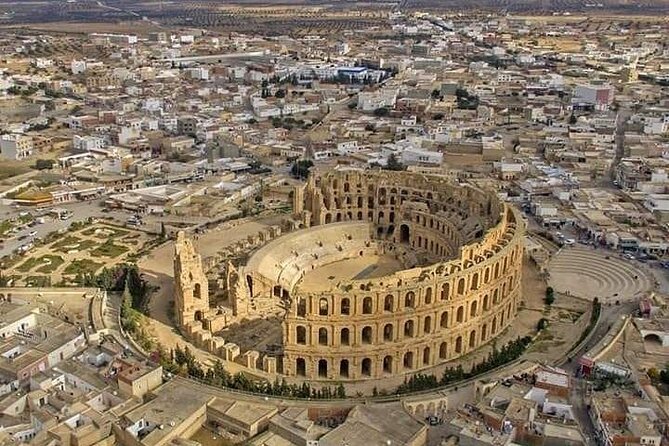
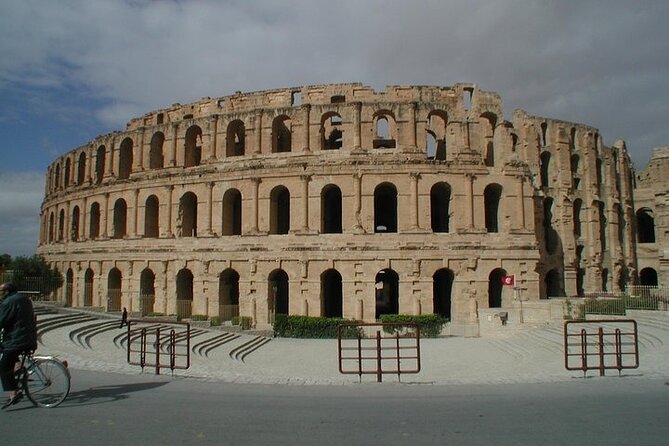
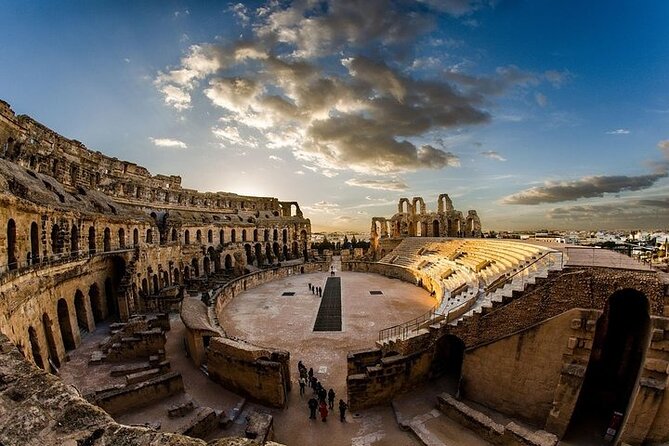
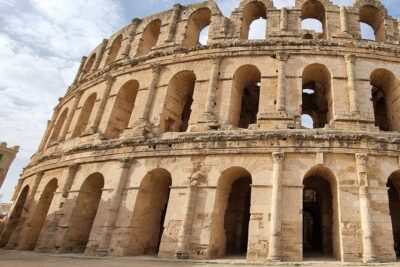
The amphitheater was founded in the third century AD in the Roman city of Thysdrus. It could hold about 30,000 spectators, making it the third-largest Roman amphitheater after the Colosseum in Rome and the arena at Capua. It became a UNESCO World Heritage Site in 1972.
The size is the immediate shock. From outside, the huge oval structure rises above the surrounding town. Inside, you can look across the arena and imagine the crowd packed into the tiers. The underground areas are especially effective because they show how the building worked behind the spectacle.
One description of the visit points out that El Jem can feel smaller than Rome’s Colosseum in some ways, yet more extensive underground. That is a useful comparison. Rome has the fame and urban setting, but El Jem gives you room to appreciate the structure without the same crush of modern development.
Forty minutes is enough to walk through the main areas and hear the central story. It is not enough for every corridor, viewpoint, and historical detail, especially if you spend time taking photos. If the amphitheater is your main reason for booking, tell the guide early in the day.
The guide matters here. Ahmed was praised for explaining both the monument and Tunisian culture, while other guides have been credited with making the Roman past easy to understand. A good explanation helps you see El Jem as more than an oversized arena. It was a sign of the wealth and ambition of Roman Africa.
Monastir’s Ribat and the view from the tower
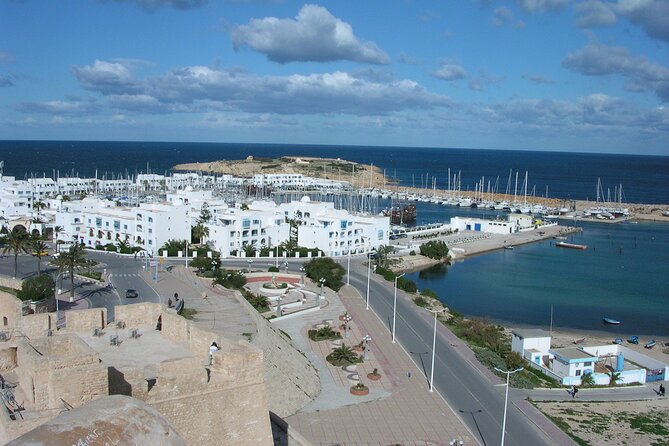
The final major stop is Monastir’s Ribat, with about 40 minutes included.
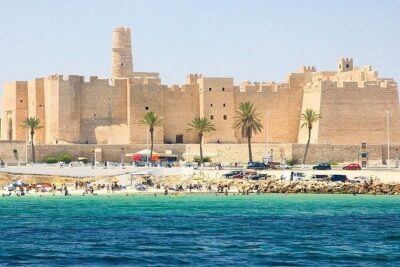
Founded in 796, the Ribat is described as the oldest and most important defensive work built along the Maghreb coast by the early Arab conquerors. It later underwent several medieval changes.
The building was originally arranged as a quadrilateral with four main sections opening onto two courtyards. Small cells housed warrior monks who combined military duties with prayer and contemplation. The Ribat also contains two prayer rooms, and one now holds collections connected with worship and medieval crafts.
The most memorable feature is the tower. Around one hundred spiral steps lead to the watchtower, where signals could be exchanged at night with nearby ribats. From the top, you get a view over Monastir and the sea.
The climb is worth doing if you are comfortable with narrow, winding stairs. The supplied information does not give details about stair access or alternatives, so ask the guide before climbing if mobility is a concern. Even without the tower, the courtyards and defensive design make the Ribat worthwhile.
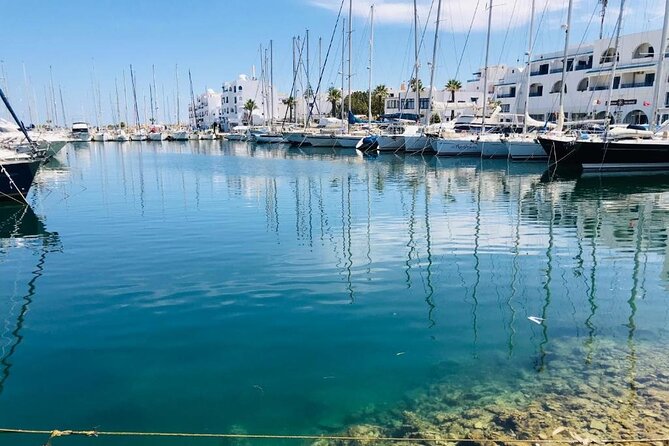
Monastir changes the mood of the day. After Kairouan’s inland religious center and El Jem’s Roman stonework, the sea view gives you a refreshing final perspective. If the schedule allows, this is a good place for the guide to help you find a strong photo position.
Guides, drivers, and the private format
The strongest praise for this experience goes to the people running it on the day.
Yaya was described as caring, intelligent, entertaining, and friendly. Kimos made one visitor feel comfortable and even joined that person for lunch so they would not eat alone. Chaouki was praised for asking what the group wanted to see and adjusting the day around those interests.
Other guides, including Bilel, Bilal, Beligh, Balagh, and Ahmed, were praised for clear explanations, good general information about Tunisia, and a friendly manner. Several guides were also praised for speaking several languages.
The driver deserves equal attention. You may spend hours in the vehicle, so a careful driver affects the day’s comfort and safety. One account described a flat tire caused by a worn tire, which is a reminder that vehicle condition matters on a long road trip. The operator said vehicles are checked and that safety is a priority.
The tour is described as private, meaning only your group participates. One comment referred to finding an actual group tour, so there may be confusion between different options or departures. Confirm the exact format when booking if privacy is important to you.
The private arrangement suits couples, families, and small groups who want flexibility. It also helps older visitors who prefer hotel pickup, a dedicated vehicle, and a guide who can adjust explanations and walking time.
Lunch, timing, and what to bring
Lunch is not included, so bring money for a meal. The guide may suggest a restaurant, and one account praised a guide for recommending a good place. You should still ask about the expected lunch timing and price so the meal does not become an unpleasant surprise.
The tour operates in most weather, but poor weather can lead to a new date or a full refund. Free cancellation is available until 24 hours before the start time. Changes or cancellations inside that window are not accepted.
Wear comfortable shoes. The day includes courtyards, old streets, historic floors, and the spiral stairway at the Ribat if you choose to climb it. Carry water, sun protection, and a phone or camera, while remembering that religious sites require respectful behavior.
The mobile ticket is convenient, but the most important practical detail is your pickup point. Pickup is offered, and the experience is marketed from Tunis and Hammamet, but you should confirm that your hotel falls within the service area.
Is $98.48 good value?
At $98.48 per person, the cost includes the air-conditioned vehicle, professional guide, tax, pickup service, and admission to five sites. Lunch is extra.
For a solo participant, the price may feel substantial. For two or more people, it becomes more attractive because you are paying for a private vehicle and personal guide rather than arranging separate taxis, entrance tickets, and intercity transport.
The value is strongest if you want to see all three destinations in one day. Public transport or self-driving could potentially cost less, but you would take on route planning, parking, timing, and the risk of losing time between sites. Here, the driver and guide handle those tasks.
The trade-off is depth. You are buying reach and convenience, not long museum visits or slow wandering through Kairouan’s medina. If you prefer to spend half a day at one archaeological site, choose a more focused excursion.
Who should book this Tunisia day trip?
I would recommend it to you if you are staying in Tunis or Hammamet and want a strong introduction to central and coastal Tunisia. It is particularly useful for a first visit, a cruise stop extension, or a short holiday when you cannot spare separate days for Kairouan, El Jem, and Monastir.
It also suits you if driving in Tunisia feels stressful or if you want historical context at each site. The best guides add cultural details, answer questions, and help you use the short stops wisely.
I would hesitate if you dislike long car rides, sales-oriented shopping, or tightly timed sightseeing. You should also think twice if El Jem is your sole priority, since forty minutes may feel short.
Should you book it?
Book this tour if you want three major Tunisian sights in one organized day, with transport, admissions, and a guide covered in one price. Kairouan and El Jem alone make the route worthwhile, while Monastir gives the day a coastal finish.
Before paying, confirm your pickup location, ask whether the tour is fully private, and state clearly that you do not want an unwanted carpet-shopping stop. If you accept the long drives and keep your expectations realistic, this is a useful and fairly priced way to see much more of Tunisia than a beach base alone allows.
FAQ
How long does the tour last?
The experience lasts approximately eight to ten hours.
Where does the tour depart from?
The tour is offered from Tunis and Hammamet, with pickup available. Confirm that your specific hotel is covered before booking.
Is this a private tour?
Yes. The experience is described as a private activity for your group only. One comment referred to a group option, so confirm the exact arrangement if privacy is essential.
Is lunch included?
No. Lunch is not included in the price.
What entrance fees are included?
Admission is included for the Great Mosque of Kairouan, the Medina of Kairouan, El Jem Amphitheater, the Ribat of Monastir, and the Aghlabid Basins.
Can most people participate?
Most people can participate, and service animals are allowed. The Ribat includes about one hundred spiral steps to the watchtower, so ask about access if stairs are a concern.
What happens if the weather is poor?
If the experience is canceled because of poor weather, you will be offered another date or a full refund. You can also cancel up to 24 hours before the start time for a full refund.
Just added around Tunis
- Explore Tunisia in Depth:The Private Grand Tour in 8 Days★ 5.0 · 3 reviews
- 3-Day South of Tunisia Guided Tour from Tunis★ 4.0 · 3 reviews
- Private Tour Bardo Museum, Carthage, Sidi Bou Said and Medina★ 4.5 · 3 reviews
- Private Group Day Tour Tunis Medina Carthage Sidi Bou Said★ 4.5 · 3 reviews
- Bardo Museum- The ruins of Carthage- Village of Sidi Bou Said★ 5.0 · 4 reviews
- 5 Days Tunisia Discovery Private Tour★ 5.0 · 4 reviews
- Tunis Carthage Private Arrival Airport Transfer to Tunis★ 5.0 · 4 reviews
- 4-Day Private Tour: Sahara and Djerba Island from Tunis and Hammamet★ 5.0 · 4 reviews
El Jem Amphitheatre Tours, compared.
Fun VIP Tour: El Jem, Kairouan, Monastir/Sousse (PICKUP ALL City)
Read our review →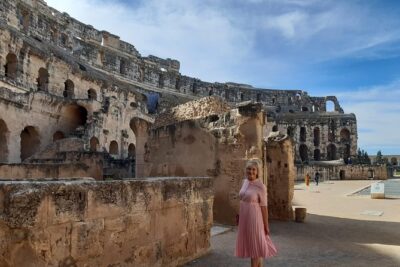
Half-day excursion from Sousse to the amphitheater of El Jem
Read our review →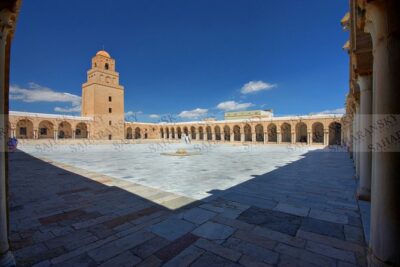
Private and Guided Tour to Kairouan and El Jem and Monastir
Read our review →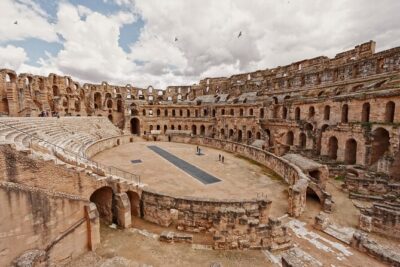
Private Half Day Tour to Roman Coliseum EL JEM from Monastir
Read our review →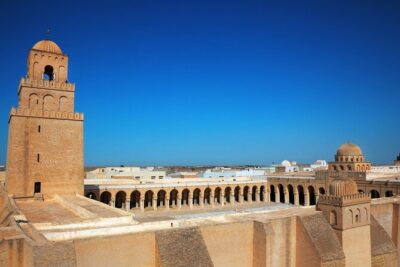
Kairouan Holy City and El Jem Colosseum Tour from Sousse
Read our review →Browse the lists this tour appears in