
Reviewed · SIDI BOU SAID & CARTHAGE TOURS
Historical Tour of Ancient Carthage
Ancient stones tell a modern story. This private Carthage tour links Punic, Roman, and early Christian sites in about three and a half hours, with private transportation and a local guide to explain what you are seeing. I like the small private format and the chance to cover several spread-out ruins without sorting out transport yourself.
I also like the human touch provided by guides such as Tarek, who has handled special requests and even helped one traveler find the shawarma they wanted for lunch. The main drawback is pace: four major stops in a short afternoon can feel brisk, and lunch is not included.
In This Review
- Key points at a glance
- Why Carthage is worth your time
- Starting with Carthage’s Roman arena
- Reading the old harbor at the Punic Ports
- Understanding the difficult story of Tophet
- Ending above the Mediterranean at Saint Cyprian’s Basilica
- What Tarek and Mohammed add to the day
- Is $104 a fair price?
- Timing, pickup, and group comfort
- Who will enjoy this Carthage tour most?
- Should you book this private Carthage tour?
- FAQ
- How long does the Ancient Carthage tour last?
- How much does the tour cost?
- Is this a private tour?
- Is pickup offered?
- What sites are included?
- Are admission fees included?
- Is transportation included?
- Is lunch included?
- Can I cancel for a full refund?
- What happens if bad weather cancels the tour?
Key points at a glance
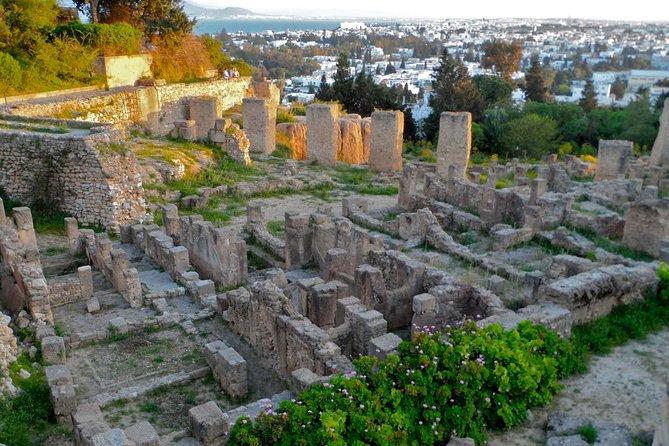
- Four important Carthage sites: See the Roman arena, ancient Punic harbor, Tophet religious compound, and Saint Cyprian’s Basilica.
- Private tour for your group: You do not share the activity with other participants.
- Tarek is highly praised: His clear explanations, kindness, and willingness to answer questions are central to the experience.
- Private transportation is included: This makes it easier to connect sites that are spread around modern Carthage.
- Admission fees are covered: You do not need to budget separately for entrance at the listed stops.
- Plan around the clock: The tour lasts about 3 hours and 30 minutes, so the four stops leave limited time for lingering.
Why Carthage is worth your time
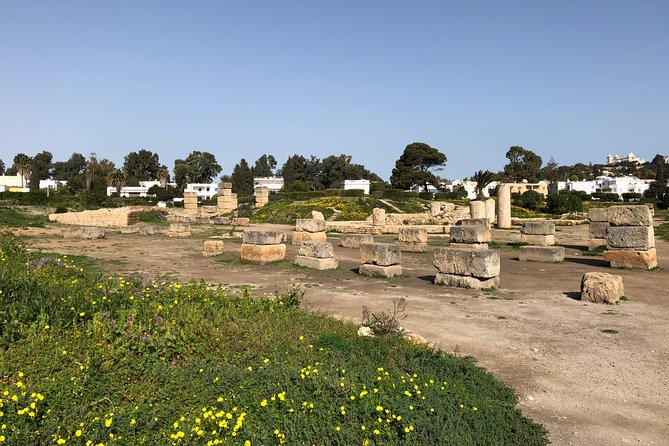
Carthage is not one tidy monument. It is a wide archaeological area where Punic, Roman, and early Christian remains appear among the modern city and Mediterranean coast. That makes a guide especially useful. Without context, a wall or foundation can look like a pile of old stones. With a good explanation, it becomes part of a port, temple, arena, or church.
This tour gives you a quick, organized introduction to that layered past. The schedule includes roughly 45 minutes at the Roman arena and 30 minutes at each of the Punic Ports, Tophet, and Saint Cyprian’s Basilica. The remaining time is useful for moving between sites in private transportation.
I see the tour as a strong first look rather than a full archaeological study. You will cover the main themes of Carthage, but you will not have hours at each ruin for slow photography, extended reading, or quiet wandering.
The tour is priced at $104 per person. That is not a budget walk, but the value improves if you want private transport, admission fees, and a guide focused only on your group. The price also saves you the work of connecting several sites on your own and trying to understand remains that may have little on-site explanation.
More Sidi Bou Said and Carthage tours:
- Private tour: Medina,Carthage ,Sidi Bou Said, Bardo Museum+lunch
★ 5.0 · 230 reviews - Carthage, Bardo Museum, Sidi Bou Said and Medina Private Day Tour
★ 4.5 · 153 reviews - Guided Bike Tour of Carthage Archeological Site in Tunisia
★ 5.0 · 88 reviews
Starting with Carthage’s Roman arena
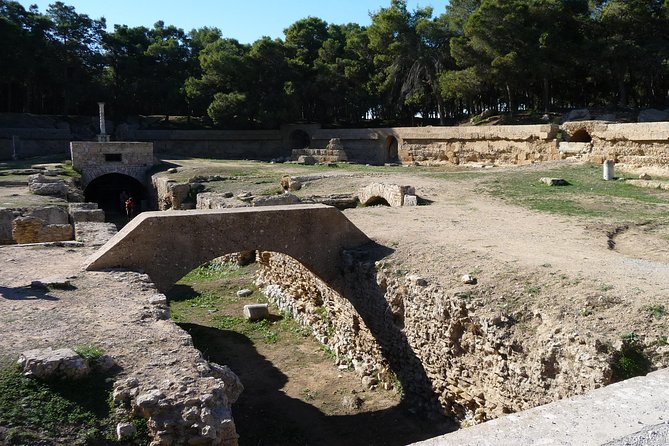
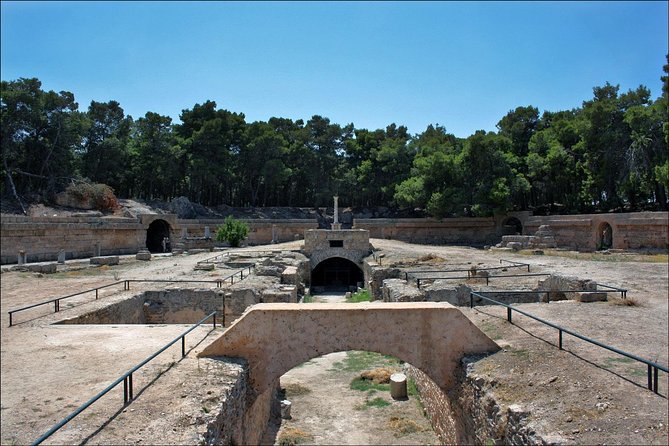
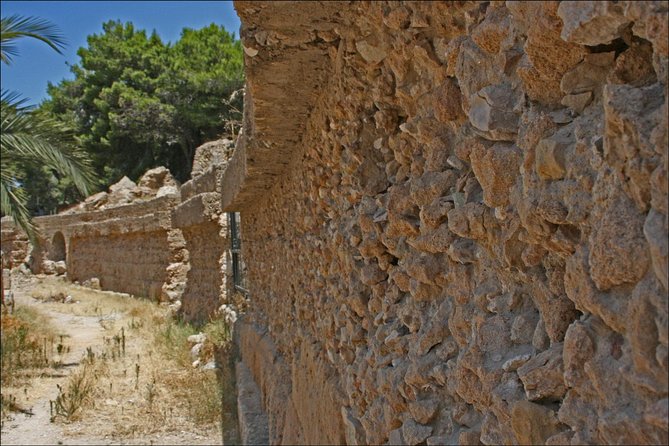
The first stop is the Site Archeologique de Carthage, described as a well-preserved ancient Roman arena. You have about 45 minutes here, making it the longest visit of the day.
An arena gives you an immediate sense of how Roman Carthage functioned as a public city. The space helps turn abstract dates into something physical: a place designed for crowds, spectacle, and organized entertainment. Tarek’s role is important here because the remains need interpretation. The stories behind the arena are what make the visit more than a quick look at masonry.
I would use this first stop to get your bearings. Listen for the relationship between Carthage’s earlier Punic identity and its later Roman form. The site is not simply a Roman copy of somewhere else. It belongs to a city that changed rulers, customs, and public life over centuries.
The 45-minute visit is long enough for an introduction and some exploration. It is not long enough for a slow, scholarly inspection of every feature. If you are passionate about Roman archaeology, you may wish for more time. For most people, though, this opening stop sets up the rest of the tour well.
Reading the old harbor at the Punic Ports
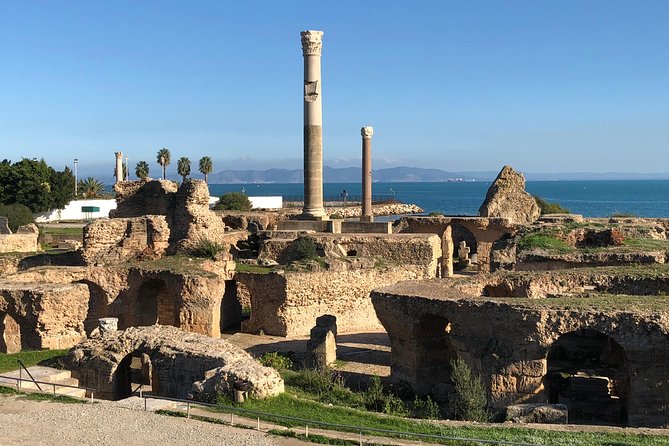
The Punic Ports and Museum are scheduled for about 30 minutes. This is one of the most useful stops for understanding why Carthage became powerful.
A port is not just a waterfront. It is a system for trade, military movement, storage, and contact with other cultures. At the ancient Punic port, you can walk through the remains while learning how Carthage connected itself to the wider Mediterranean world.
The short visit means you should focus on the basic story and the shape of the site rather than trying to absorb every detail. If the museum is part of your visit, it can help fill in gaps left by the ruins themselves. The tour’s private format also gives you a better chance to ask questions that match your interests, instead of following a fixed speech meant for a large crowd.
I especially value this stop because it adds practical meaning to Carthage’s rise. The arena shows public Roman life. The harbor explains the earlier city’s reach and commercial strength. Together, the two stops show that Carthage was not important only because of battles and famous names. It was also a working port city.
Understanding the difficult story of Tophet
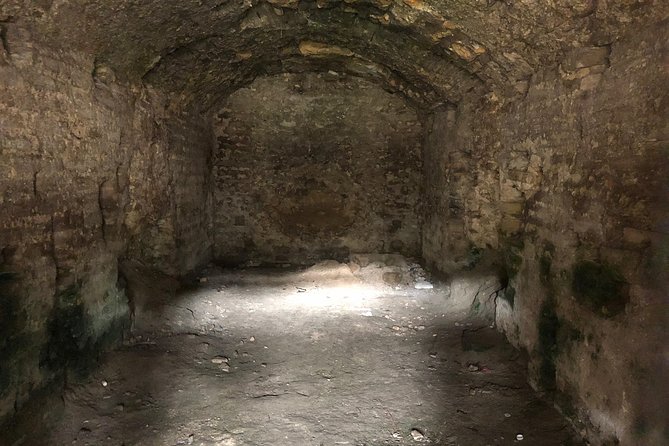
Tophet de Carthage is scheduled for another 30 minutes. This ancient religious compound is one of the more sensitive stops because it relates to Carthaginian religious practices.
You will visit the altar area and hear about the beliefs and rituals connected with the site. This is a place where careful explanation matters. The subject can be emotionally difficult, and the archaeological evidence has been debated and interpreted in different ways over time. The tour description promises a history of Carthaginian religion and its practices, so use this stop to ask clear questions rather than rushing through it.
A private guide makes a real difference here. You can pause if the subject raises questions, and you do not have to worry about holding up a large group. Tarek’s strong reputation for answering questions is especially relevant at a site like this, where a short label cannot explain the full context.
Thirty minutes will give you an introduction, not a complete account of Punic religion. If this is your main interest, you may leave wishing for a longer discussion. Still, the stop adds an important side of Carthage that is easy to miss on a simple sightseeing drive.
More history-first tours:
- Guided tour in the UNESCO world heritage Medina of Tunis
★ 5.0 · 68 reviews - 2 Hour Hergla Visit and Sousse Medina Heritage Tour
★ 4.5 · 3 reviews
Ending above the Mediterranean at Saint Cyprian’s Basilica
The final stop is La Basilique De Saint Cyprien, the ruins of one of the oldest churches in North Africa. You have about 30 minutes here, with views over the Mediterranean.
This stop shifts the story from Punic religion and Roman public life to early Christianity. The ruined basilica shows how the region’s religious identity changed again, while its coastal position gives the tour a strong visual ending.
I would save a little attention for the setting, not only the stones. The sea views are one of the clearest pleasures of the route, and the site offers a chance to slow down after the denser historical explanations earlier in the day. The views are described as breathtaking, but the more practical point is that this is a good place to connect the remains with the wider setting of ancient Carthage.
The 30-minute limit may feel short if you want photographs or time to sit quietly. It is enough to see the ruins and hear the main story. Since this is the final stop, ask any remaining questions before leaving. A good guide can help connect the basilica to the earlier sites so the day feels like one historical sequence rather than four separate stops.
What Tarek and Mohammed add to the day
The strongest praise centers on Tarek. He is described as friendly, kind, interesting, and able to make unfamiliar Tunisian and Carthaginian history easier to follow. That matters because the sites do not always explain themselves.
You can expect a guide-led experience rather than a simple ride between monuments. Tarek has answered many questions, offered historical insight, and adjusted the sightseeing plan for a special request. One account also describes him making sure a traveler got the shawarma they wanted for lunch, a small detail that suggests attention beyond the formal schedule.
Mohammed, the driver, is also specifically praised. Since private transportation is included, his role helps keep the route moving between the archaeological areas. You are not left to coordinate several taxi rides or figure out how to connect the sites on public transport.
The experience provider is Savor Tunisia Tourism & Services. The tour has a five-star rating from 51 reviews and is recommended by 98 percent of participants. Those figures suggest a reliable pattern, though no rating can guarantee that every guide-client match will feel the same.
Is $104 a fair price?
At $104 per person, this is best judged as a private sightseeing service, not as a low-cost entrance ticket. The fee includes private transportation, all fees and taxes, and admission to the listed sites.
That package makes sense if you value convenience and explanation. You are paying to move efficiently around Carthage, avoid arranging each entrance yourself, and have a guide available for questions. The value is stronger for first-time visitors, people on a tight schedule, and anyone who prefers a private outing to a large group.
The price is less compelling if you already know Carthaginian history, have your own transportation, or want to spend a long time at one site. The tour is designed for coverage. It gives you four substantial historical stops, but its schedule does not encourage hours of independent study.
Lunch is not included. Optional recommendations for good lunch spots are available, and the shawarma story suggests Tarek may be helpful with food preferences. Still, you should treat lunch as a separate cost and ask about timing if eating during the outing matters to you.
Timing, pickup, and group comfort
The experience lasts approximately 3 hours and 30 minutes. Pickup is offered, and the tour operates with private transportation, but the supplied details do not specify every pickup location or the exact meeting arrangement. Confirm those points when booking.
The four scheduled stops total about 2 hours and 15 minutes. That leaves roughly 1 hour and 15 minutes for driving, transitions, and the practical business of getting in and out of each site. The timing is sensible for a broad introduction, but it also explains why the day may feel full.
The activity is private, so only your group participates. This is useful for families, couples, and friends who want to ask questions freely or adjust the emphasis. It also suits anyone who finds large historical tours tiring.
Most people can participate, and the tour is near public transportation. The information does not give detailed accessibility guidance for every ruin, so ask the provider directly if you need specific arrangements.
The tour requires good weather. If poor weather causes cancellation, you are offered another date or a full refund. For other changes, free cancellation is available up to 24 hours before the start time. Less than 24 hours before the experience, refunds and changes are not accepted.
Who will enjoy this Carthage tour most?
I would recommend it most strongly to first-time visitors to Tunis who want the major Carthage sites explained in one organized outing. You get a clear route through military and public life, trade, religion, and early Christianity.
It is also a good match for anyone staying in Tunis for a short time. A half-day schedule can introduce you to Carthage without requiring a full day devoted to archaeology. The private setup makes it easier to keep the experience focused on your interests.
Families and mixed-interest groups may also benefit. The Roman arena, harbor, religious compound, and coastal basilica offer different kinds of stories, so the day is not built around one repetitive type of ruin.
I would be more cautious if you want a slow archaeological visit. The four-stop plan is active, and the 30-minute stops leave little room for lingering. Serious history fans should consider the tour a useful orientation, then decide if they want to return to a favorite site independently.
Should you book this private Carthage tour?
Book it if you want efficient coverage, private transportation, and a guide who can turn scattered ruins into a connected story. Tarek’s personal approach, Mohammed’s driving, included admissions, and the strong five-star record make the $104 price easier to justify.
Skip it if your main goal is a leisurely day at one archaeological site or the lowest possible cost. Also keep lunch in your budget, and remember that the weather requirement can affect the schedule.
For most first-time visitors to Tunis, I would book it. Carthage is far easier to appreciate when someone explains what each ruin meant, and this tour gives you a useful historical sweep without making you manage the transport yourself.
FAQ
How long does the Ancient Carthage tour last?
The tour lasts approximately 3 hours and 30 minutes.
How much does the tour cost?
The listed price is $104 per person.
Is this a private tour?
Yes. Only your group participates in the activity.
Is pickup offered?
Yes, pickup is offered. The provided information does not specify every pickup location, so confirm the details when booking.
What sites are included?
The tour includes the Site Archeologique de Carthage, Punic Ports and Museum, Tophet de Carthage, and La Basilique De Saint Cyprien.
Are admission fees included?
Yes. All fees and taxes are included, along with admission tickets for the listed stops.
Is transportation included?
Yes. Private transportation is included.
Is lunch included?
No. Lunch is not included, but optional recommendations for lunch spots are available.
Can I cancel for a full refund?
Yes. You can cancel at least 24 hours before the start time for a full refund. Cancellations made less than 24 hours before the start time are not refunded.
What happens if bad weather cancels the tour?
If poor weather causes cancellation, you will be offered a different date or a full refund.
Just added around Tunis
- 3-Day South of Tunisia Guided Tour from Tunis★ 4.0 · 3 reviews
- Explore Tunisia in Depth:The Private Grand Tour in 8 Days★ 5.0 · 3 reviews
- Private Tour Bardo Museum, Carthage, Sidi Bou Said and Medina★ 4.5 · 3 reviews
- Private Group Day Tour Tunis Medina Carthage Sidi Bou Said★ 4.5 · 3 reviews
- 5 Days Tunisia Discovery Private Tour★ 5.0 · 4 reviews
- Bardo Museum- The ruins of Carthage- Village of Sidi Bou Said★ 5.0 · 4 reviews
- Tunis Carthage Private Arrival Airport Transfer to Tunis★ 5.0 · 4 reviews
- 4-Day Private Tour: Sahara and Djerba Island from Tunis and Hammamet★ 5.0 · 4 reviews
Sidi Bou Said & Carthage Tours, compared.
VIP Tour: Tunis Medina/Bardo, Sidi Bou Said, Carthage |PICKUP ALL
Read our review →
Private tour: Medina,Carthage ,Sidi Bou Said, Bardo Museum+lunch
Read our review →
Carthage, Bardo Museum, Sidi Bou Said and Medina Private Day Tour
Read our review →
Guided Bike Tour of Carthage Archeological Site in Tunisia
Read our review →
1 day excursion Tunis Sidi Bousaid Carthage departure from Sousse
Read our review →
Archaelogical Site Of Carthage + Picturesque Village Of Sidi Bou Said
Read our review →
Tunis, Sidi Bousaid and Carthage day trip from Hammamet
Read our review →
Browse the lists this tour appears in