
Reviewed · DOUGGA & TESTOUR DAY TRIPS
Dougga Guided Day Tour from Tunis
Ancient ruins and local cheese make a fine Tunisian day out. This guided trip combines the Roman ruins of Dougga with a stop in the Andalusian village of Testour, giving you two very different sides of northern Tunisia in one eight-hour outing. You travel in a private, air-conditioned minivan, with hotel pickup and drop-off included.
I like the way the tour pairs Dougga with Testour rather than treating the Roman site as an isolated attraction. I also like the small-group format, capped at eight people, plus a guide and driver who have earned strong praise for making the outing easy and worthwhile. The main consideration is price: at $139.06 per person, this costs more than a basic shared excursion, and admission to Dougga is not included.
In This Review
- Key points to know before you book
- Why Dougga makes a strong day trip from Tunis
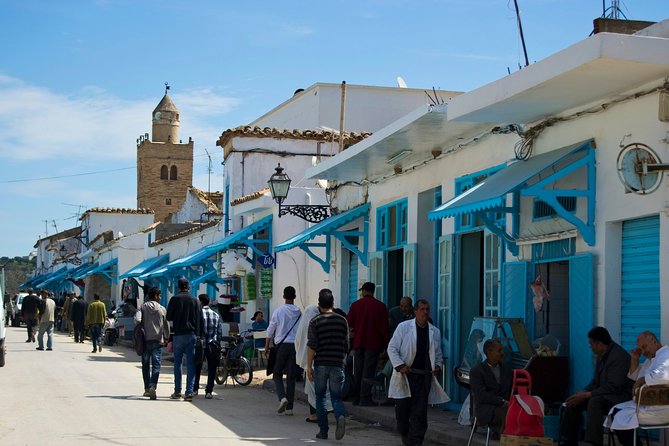
- Starting with Testour’s Andalusian character
- The Testour cheese tasting
- Walking through Dougga’s theater and public spaces
- What the guide adds to the ruins
- Why the private minivan matters
- Lunch, timing, and the rhythm of the day
- Is $139.06 a fair price?
- Who will get the most from this tour?
- Booking and cancellation details worth noting
- Should you book the Dougga day tour?
- FAQ
- How long does the Dougga tour last?
- What time does the tour start?
- Where does the tour start and end?
- Is lunch included?
- Is a vegetarian meal available?
- Is the Dougga admission ticket included?
- How large is the tour group?
- Can I cancel for a full refund?
Key points to know before you book
- Testour adds a genuine local stop: You visit the Andalusian-style Great Mosque and sample the village’s specialty cheese.
- Dougga is the main event: The World Heritage archaeological site includes a theater, temples, forum, baths, marketplace, and houses.
- Small groups keep the day personal: The minivan holds no more than eight people, with a private guide.
- The ride is built for comfort: Air-conditioning, hotel pickup, and drop-off remove much of the day-trip hassle.
- Lunch is included: Vegetarian food is available if you request it when booking.
- Allow for a moderate amount of walking: The site is extensive, and a moderate fitness level is recommended.
Why Dougga makes a strong day trip from Tunis
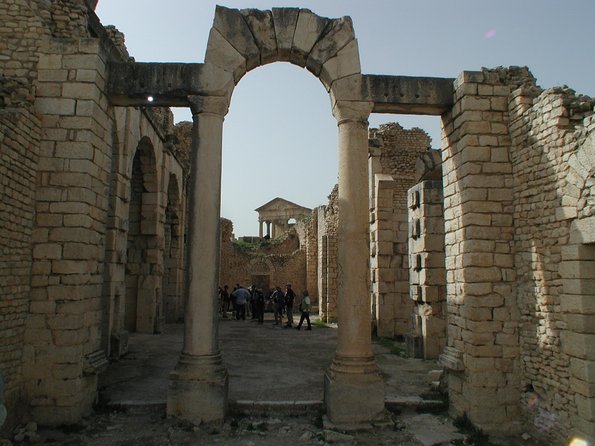
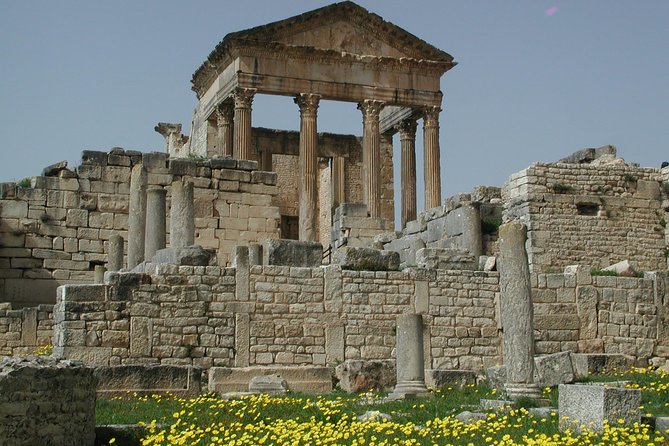
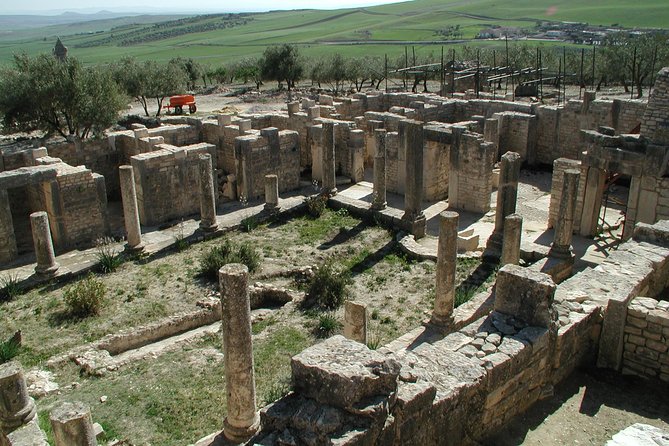
Dougga is one of the largest Roman archaeological sites in North Africa, and its appeal comes from scale as much as preservation. You are not looking at one lonely temple behind a fence. The visit moves through a broad ancient settlement with public buildings, religious monuments, baths, a marketplace, and private houses.
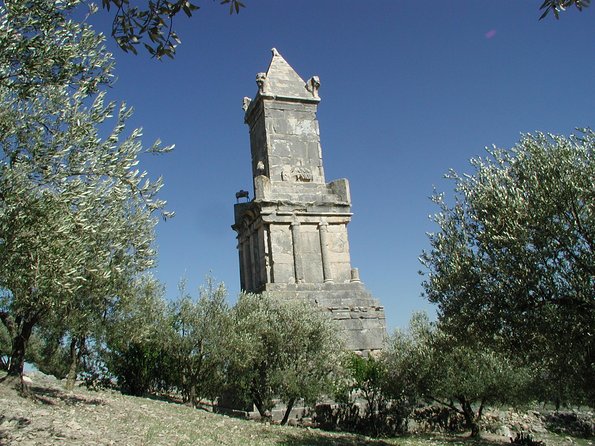
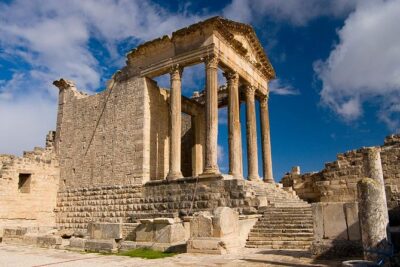
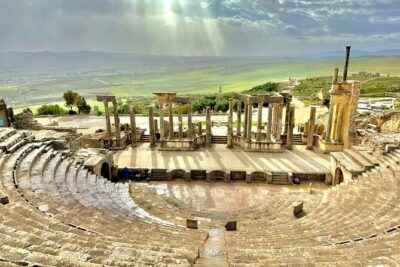
That variety helps you picture how the city worked. The theater shows where public entertainment fit into Roman life. The forum and marketplace point to civic and commercial activity. The Capitoline Temple gives the site its grand religious center, while the Public Baths and House of Trifolium add more ordinary details.
The supplied visit time at Dougga is about one hour and 30 minutes. That is enough for a guided introduction to the key monuments, but it is not an unlimited archaeological wander. I would view the tour as a strong first look, especially if you want context and an efficient route rather than several quiet hours to study every stone.
The setting also adds to the experience. Dougga is far enough from Tunis to feel like a real change of scene, yet close enough to work as a day trip. One published assessment calls it an important archaeological site worth visiting, with the temple, amphitheater, and houses singled out as highlights. That is a fair description of the site’s appeal: it gives you several memorable structures instead of one headline monument.
More Dougga day trips:
- Private Excursion to Testour, Dougga and Bulla Regia from Tunis.
★ 5.0 · 100 reviews - Full Day Dougga & Bulla Regia Via Testour Private tour with Lunch
★ 5.0 · 29 reviews - Private Guided Tour of Dougga and Testour Mosque
★ 4.5 · 15 reviews
Starting with Testour’s Andalusian character
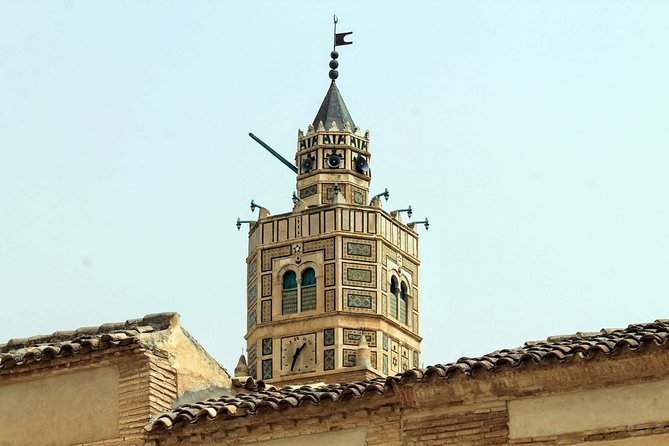
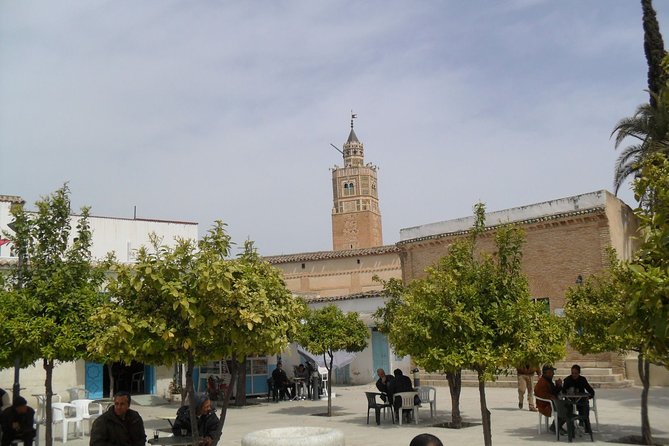
The first stop is Testour, an Andalusian village known for its Great Mosque. The mosque’s minaret is the visual prize. It rises 23 meters, has an octagonal shape, and uses small double windows, glazed decoration, inscriptions, and a mechanical clock near the top.
Its form recalls bell towers from Aragon in southern Spain, a reminder of the Andalusian influence that shaped the village. You do not need to be an architecture expert to appreciate the difference from the Roman remains later in the day. Testour feels like a cultural bridge, while Dougga takes you much farther back into antiquity.
The stop lasts about an hour. That gives you time for the mosque and the cheese tasting without turning Testour into a rushed photo break. The mosque is the cultural focus, but the tasting is what makes this stop feel more connected to present-day Tunisia.
The Testour cheese tasting
Testour’s local cheese is a small but memorable part of the tour. The experience includes a chance to sample this regional specialty on the way to Dougga, giving you something more useful than another roadside pause. Food helps make a place specific, and this tasting gives the village a flavor beyond its architecture.
I would keep your expectations practical. The information provided confirms a tasting, but it does not specify the number of cheeses, the producer, or the length of the presentation. Think of it as an included local sample, not a full food tour.
This stop is especially useful if you want your day away from Tunis to include more than monuments. The contrast works well: first you see a village shaped by Andalusian design and taste a regional product, then you move on to Roman civic buildings and temples.
Walking through Dougga’s theater and public spaces
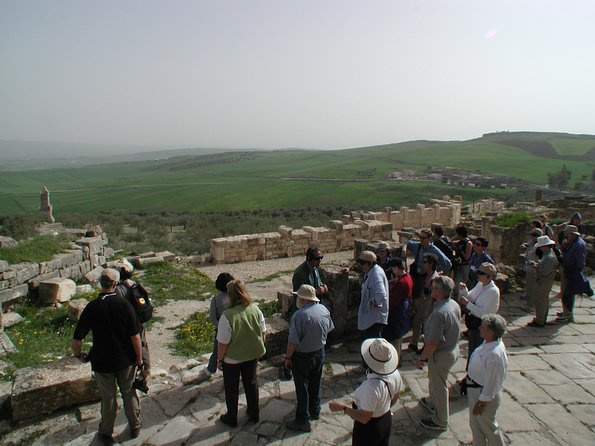
At Dougga, the route begins at the theater. That is a sensible starting point because it gives you a clear sense of the site’s public scale before the tour moves into temples, streets, and houses.
From there, you continue to the Place de la Rose des Vents, the marketplace, the Capitoline Temple, the Forum, the Public Baths, and the House of Trifolium. Each location answers a different question about life in the ancient city.
The Place de la Rose des Vents and marketplace help explain movement and trade. The Forum was a key public area, while the Capitoline Temple reflects the religious world of Roman Dougga. Your guide is expected to explain Roman deities and daily life, which matters here because ruins can otherwise become a parade of unfamiliar names.
The Public Baths add a social element. Roman baths were not simply places to wash. They were part of public life, and their presence helps you see Dougga as a functioning city rather than a collection of impressive leftovers.
The House of Trifolium brings the visit down to a more personal scale. After temples and public squares, a private house helps you think about how people lived. The combination of grand civic buildings and domestic remains is one of the best reasons to choose Dougga over a shorter stop at a single monument.
A few more excursions of this kind worth a look:
- Private Tour to Kairouan, El Jem & Monastir from Tunis_hammamet
★ 5.0 · 301 reviews - Private tour: Medina,Carthage ,Sidi Bou Said, Bardo Museum+lunch
★ 5.0 · 230 reviews - Carthage, Bardo Museum, Sidi Bou Said and Medina Private Day Tour
★ 4.5 · 153 reviews - Guided Bike Tour of Carthage Archeological Site in Tunisia
★ 5.0 · 88 reviews
What the guide adds to the ruins
Dougga rewards explanation. Without a guide, you can admire the columns and walls, but it is harder to understand how the parts relate to Roman religion, public life, and city planning.
This tour includes a Blue Badge guide, and the guide is meant to cover Roman deities and life in ancient times as you move from one site to the next. That format is useful because the information arrives beside the monument it explains. You can connect the temple to religious practice, the baths to public life, and the theater to entertainment.
The guide and driver have both been praised for doing their jobs well, which is important on a long day outside Tunis. The experience is not just about having someone point toward ruins. Good pacing, clear directions, and a smooth ride matter when the day includes a village stop, lunch, and a large archaeological site.
No guide name is provided, so I would not book this expecting a specific person. The dependable feature is the inclusion of a dedicated guide rather than a self-guided transfer.
Why the private minivan matters
Transport can make or break a day trip. Here, you travel in an air-conditioned minivan with a maximum group size of eight. That is a useful middle ground: more personal than a large coach, but still practical for a full-day route.
Air-conditioning is not a decorative extra in Tunisia. After walking around Dougga, returning to a cool vehicle makes the trip easier on your energy. The private format also reduces the chance that the day feels like a rigid procession.
Hotel pickup and drop-off are included. The stated meeting point is 12 Av. de Paris in Tunis, with an 8:00 am start, and the activity ends back at the meeting point. The information also says hotel pickup and drop-off are included, so confirm the pickup arrangement for your lodging when you book.
The total duration is about eight hours. The listed sightseeing time adds up to two and a half hours, leaving the rest for driving, lunch, and transitions. That is normal for a Dougga outing from Tunis, but it also means you should not expect eight hours of continuous monument viewing.
Lunch, timing, and the rhythm of the day
Lunch is included, which simplifies the middle of the day and gives the schedule a proper break. Food and drinks are otherwise not included unless specifically stated, so you should not assume that every drink, snack, or extra purchase is covered.
A vegetarian option is available, but you need to request it when booking. That is worth handling early rather than trying to sort it out during the tour.
The 8:00 am start is helpful. It gives you a full day for the drive and sightseeing, and it places the major archaeological visit within a structured schedule. The exact order is Testour first, followed by Dougga, but the practical point is the same: you will spend a meaningful part of the day on the road and should dress for both transport and walking.
The day requires moderate physical fitness. The information does not give a step count, trail description, or accessibility details, so I would not treat it as a low-effort sightseeing ride. Dougga includes several areas to cover, and comfortable shoes are a sensible choice.
Is $139.06 a fair price?
At $139.06 per person, this is not the cheapest way to see Dougga. The value comes from what is bundled: a guide, air-conditioned private minivan transport, hotel pickup and drop-off, lunch, a Testour stop, and a cheese tasting.
The group limit of eight matters here. If you are traveling with family or friends, the private minivan can make the price easier to justify because you are paying for a more controlled and comfortable day rather than simply buying a seat on a large bus.
The cost is also more attractive if you want interpretation. Dougga is a place where a guide can turn disconnected ruins into a story about religion, public life, entertainment, trade, and home life. If you are happy to arrange your own transport and explore without help, the price may feel high.
Remember to budget for the Dougga admission ticket, which is not included. The provided information does not give the admission cost, so check the current amount before departure. Food and drinks beyond the specified lunch are also your responsibility.
Who will get the most from this tour?
I would recommend this day for you if you want to see Dougga without arranging transport, prefer a small group, and enjoy having ancient sites explained as you walk through them. It also suits anyone who likes adding food and local culture to an archaeological outing.
It works particularly well for first-time visitors to Tunisia who are based in Tunis. You get a major Roman site, an Andalusian village, a regional tasting, and lunch in one organized day.
Families can book, but children must be accompanied by an adult. The moderate fitness requirement also matters for families with younger children or anyone who finds extended site visits tiring.
The tour may be less suitable if you want a slow, highly specialized archaeological study. The Dougga visit is listed as about 90 minutes, and the full day includes travel and two stops. You will see the key areas, but you may not have time to linger at every building.
Booking and cancellation details worth noting
A minimum of two people is required per booking. The activity also requires a minimum number of participants to operate, and if that minimum is not met, you will be offered another date or experience, or a full refund.
You can cancel for a full refund up to 24 hours before the start time. Cancellations or changes made less than 24 hours before the local start time are not accepted for a refund. Confirmation is provided at booking, and the ticket is mobile, so you can keep the booking details on your phone.
Should you book the Dougga day tour?
I would book it if you want the easiest balanced route from Tunis to Dougga. The strongest points are the well-preserved Roman site, the guide’s historical explanation, the comfortable small-group minivan, and the unusual Testour cheese stop.
The main caution is the price and the limited time at Dougga. Add the site admission cost, expect a full day with road time, and accept that this is an organized introduction rather than an exhaustive archaeological visit.
For a first visit, that trade-off makes sense. You get more than a transfer, but you are not asked to plan every detail yourself. The high rating and specific praise for the guide, driver, temple, amphitheater, and houses support the idea that this is a solid choice for seeing one of Tunisia’s most important ancient sites from Tunis.
FAQ
How long does the Dougga tour last?
The tour lasts approximately eight hours.
What time does the tour start?
The stated start time is 8:00 am.
Where does the tour start and end?
The listed meeting point is 12 Av. de Paris, Tunis 1000, Tunisia. The activity ends back at the meeting point, while hotel pickup and drop-off are included.
Is lunch included?
Yes, lunch is included. Other food and drinks are not included unless specifically stated.
Is a vegetarian meal available?
Yes. A vegetarian option is available, but you should advise the operator when booking.
Is the Dougga admission ticket included?
No. Admission to the Dougga archaeological site is not included.
How large is the tour group?
The tour has a maximum of eight people.
Can I cancel for a full refund?
Yes, if you cancel at least 24 hours before the experience start time. Cancellations or changes made less than 24 hours before the start time are not accepted for a refund.
Just added around Tunis
- Explore Tunisia in Depth:The Private Grand Tour in 8 Days★ 5.0 · 3 reviews
- 3-Day South of Tunisia Guided Tour from Tunis★ 4.0 · 3 reviews
- Private Tour Bardo Museum, Carthage, Sidi Bou Said and Medina★ 4.5 · 3 reviews
- Private Group Day Tour Tunis Medina Carthage Sidi Bou Said★ 4.5 · 3 reviews
- 5 Days Tunisia Discovery Private Tour★ 5.0 · 4 reviews
- Bardo Museum- The ruins of Carthage- Village of Sidi Bou Said★ 5.0 · 4 reviews
- Tunis Carthage Private Arrival Airport Transfer to Tunis★ 5.0 · 4 reviews
- 4-Day Private Tour: Sahara and Djerba Island from Tunis and Hammamet★ 5.0 · 4 reviews
Dougga & Testour Day Trips, compared.
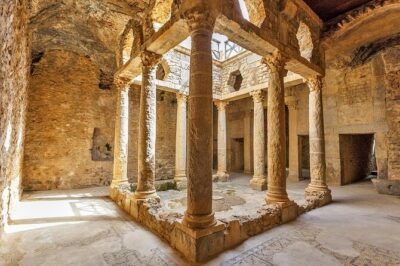
Private Excursion to Testour, Dougga and Bulla Regia from Tunis.
Read our review →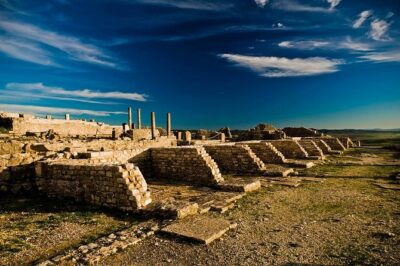
Full Day Dougga & Bulla Regia Via Testour Private tour with Lunch
Read our review →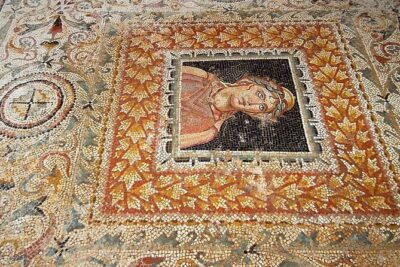
Private Day Trip to Testour, Dougga and Bulla Regia from Hammamet
Read our review →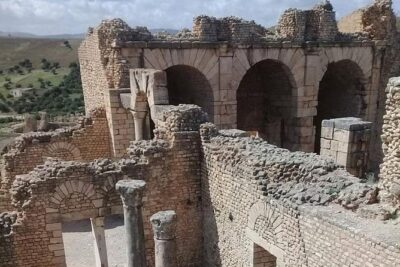
Private Guided Tour of Dougga and Testour Mosque
Read our review →
DAY TRIP TO Dougga & Bulla Regia , DEPARTURE FROM Tunis
Read our review →Browse the lists this tour appears in